Sports
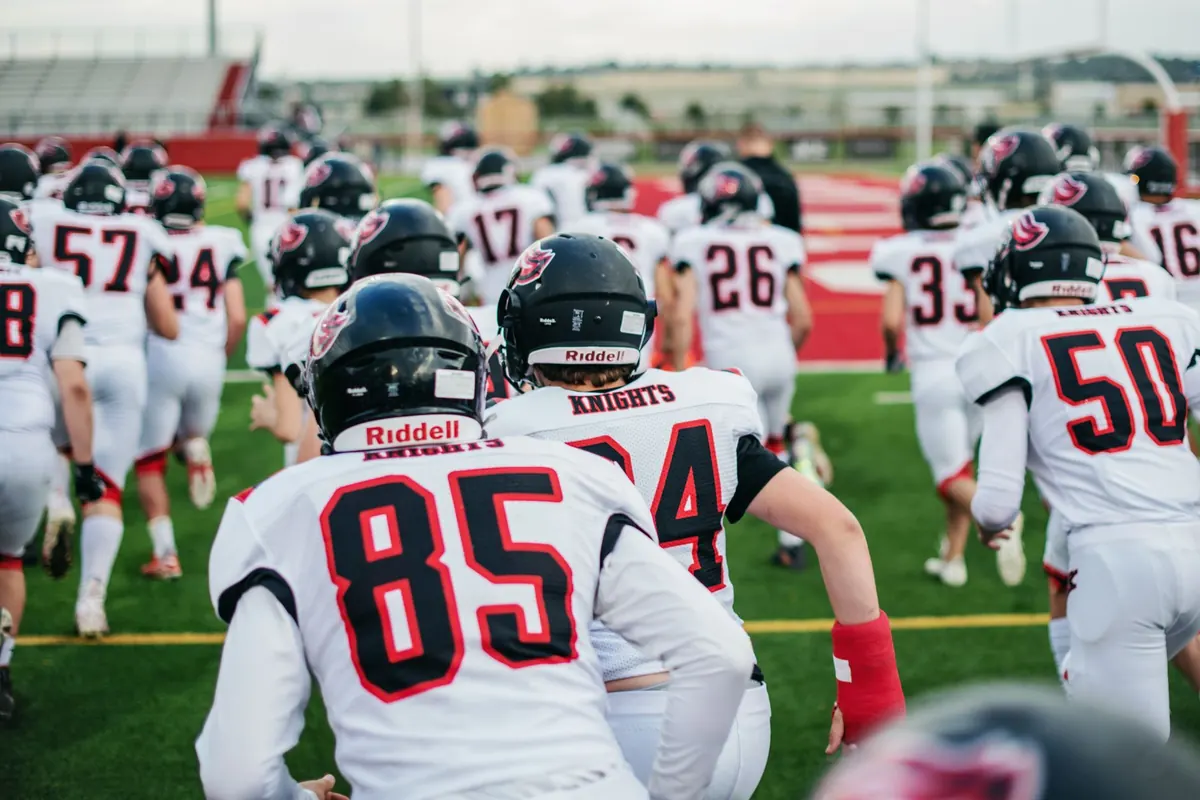
Oakley High School Football Season Preview: Key Games, Players to Watch, and Playoff Chances
Fall practice is underway, the Friday-night calendar is filling up, and the question around town has shifted from who graduated to who steps up. Oakley High School's football season is close enough to plan around. What follows is a clear-eyed look at what the schedule asks of this team, the position groups and players worth tracking, the rivalry games that pack the stands, and what a realistic run at the playoffs requires.
The Shape of the Schedule
Most high school seasons follow the same three-act structure, and Oakley's is no different. The opening weeks are non-league games, which coaches treat as a laboratory: new starters get live reps, schemes get tested, and the staff learns which players can handle a Friday night crowd. Those games count in the standings for playoff purposes even though they do not count in league play, which is why a sloppy September can come back to haunt a team in November.
Then comes the league slate, where the season is genuinely decided. League games bring familiar opponents, shorter travel, and the kind of film study where both sides already know each other's tendencies. Homecoming and senior night usually fall in this stretch, and so does rivalry week.
The final regular-season game carries extra weight. Depending on where a team sits, it can be a tune-up, a must-win for a league title, or a last chance to impress a playoff selection committee. Kickoff times and dates shift during the season for a variety of reasons, so treat the school's athletics calendar as the authority and check it again the week of each game rather than relying on a schedule you saved in August.
What to watch in the first month
- Who takes the first snap under center and whether the offense settles into a clear identity.
- The offensive line's first real test against a defense that blitzes.
- How the team finishes halves — the last two minutes often reveal more than the score.
- Special teams, which is where young players earn trust and where games quietly turn.
Players to Watch
Roster turnover is the story of every high school program, and Oakley is no exception. Rather than guess at names before the depth chart settles, it helps to know which positions will shape the season and what a good version of each looks like.
On offense
Everything starts up front. A line that communicates well and holds its blocks for an extra beat makes an average backfield look dangerous. Watch how quickly the quarterback gets rid of the ball and whether receivers block downfield on running plays — that effort tells you how the offense is coached. The most reliable playmakers are often not the fastest players but the ones who are where they are supposed to be on every snap.
On defense
Linebackers and safeties carry the load. A defense that tackles well in space and forces turnovers will keep the team in games even on nights when the offense sputters. Two-way players are common at this level, so conditioning matters as much as talent; the fourth quarter is where depth shows.
Special teams
Do not overlook the kicking game. A punter who can flip field position and a kicker who is automatic from short range are worth several points a game across a season, and returners who secure the ball first and run second prevent the kind of mistakes that cost a league game.
The Rivalries That Fill the Stands
Rivalry night is a different sport. Alumni show up, the student section is louder, and the emotional edge can cut both ways — teams play harder, and they also commit more penalties. Historically, these games swing on turnovers and field position more than on talent, because both sides are amped up and the playbook tends to tighten.
If you are going, plan for the crowd. Arrive early, expect to park a block or two away, and know that the concession line is longest right before kickoff and at halftime. Sit on the side you came to cheer for, keep the commentary civil, and remember that the officials and the opposing players are someone's kids too. The atmosphere is the best part of the fall schedule, and it is better when everyone can enjoy it.
The Path to the Playoffs
In California, postseason berths and seeding are handled by the CIF section, and the exact formula varies by section and is adjusted from year to year. In general, teams qualify by finishing high enough in league play or by earning an at-large berth. Several sections now weigh strength of schedule and computer ratings alongside league record, which means a competitive loss to a strong non-league opponent can be more useful than a blowout win over a weaker one.
The practical takeaway for Oakley: non-league results matter, league wins matter more, and margin of victory matters at the edges. That makes the middle of the schedule the true fork in the road. Sweep the winnable league games and the team controls its own fate. Drop one or two and the conversation becomes about at-large math, which is never a comfortable place to spend the last week of October. The team's section and division assignment for the current cycle is available through the school's athletics office, and it is worth confirming early rather than assuming last year's placement still applies.
Five Things That Will Decide the Season
- Health along the line. Few programs have the depth to absorb multiple injuries in the trenches.
- Turnover margin. Winning the takeaway battle is the most reliable predictor of close-game results.
- Third down and red zone execution. Moving the chains and finishing drives separate good teams from .500 teams.
- Penalties. False starts and personal fouls erase the gains that practice time is spent creating.
- Who steps up in the fourth quarter. Every season produces one or two players nobody predicted would matter. Watch for them in September.
Game Day, Made Simple
Kickoff times can move, so check the school's athletics calendar or the athletic department's social accounts the week of each game. Plan to arrive twenty to thirty minutes before kickoff if you want a decent seat, and bring a layer — fall evenings cool off quickly once the sun drops behind the stands.
Concessions usually benefit the program directly through the booster club, so a stop at the snack bar is a small way to support the team. If you cannot make it in person, scores and updates generally show up fastest through the school's official channels rather than through rumor.
Above all, enjoy it. These are four years, not a franchise, and the players on the field are the same kids who were running around the neighborhood a few seasons ago. Show up, cheer loud, and let them hear it.
Photo: Tim Mossholder / Pexels
Related Articles