News
Oakley Road Construction 2026: Major Projects, Detours, and Completion Timelines
Oakley's construction season doesn't start on a calendar date. It starts when the ground dries out and the asphalt plants fire up. By the time orange barrels appear on a street you drive every day, the decisions behind them were made months earlier — in budget hearings, bid packages and utility coordination meetings most of us never see.
In 2026, expect a mix of repaving, underground utility replacement and growth-related road work spread across the city, with the heaviest disruption landing between spring and early fall. Here's what's coming, how to get around it, and when the work is supposed to wrap up.
The Shape of the Season
Almost everything on the schedule falls into three buckets. The first is pavement maintenance — slurry seals, overlays and full-depth repairs on streets that have aged past their useful life. The second is underground utility work, mostly water and sewer main replacement in older neighborhoods, which is why a street that looks fine gets torn open anyway. The third is development-driven work: new turn lanes, signals, curb, gutter and sidewalk gaps tied to subdivisions and commercial projects on the east side.
Weather sets the schedule more than any planner does. Asphalt and slurry seal need warm, dry conditions, so paving generally runs from April through October. Concrete crews can work later into the fall, and utility crews can start earlier in the year, which is why you'll sometimes see trenches dug in February on a road that won't be repaved until June.
The Streets Most Likely to Affect Your Drive
Contracts get awarded and dates shift, so treat the list below as the corridors to watch rather than a fixed calendar. Confirm specifics with the city's public works department before you plan around them.
- Main Street through downtown — sidewalk, curb ramp and drainage upgrades, plus repaving done block by block. Short full closures are likely on side streets; Main itself should mostly stay open with lane shifts.
- Laurel Road — resurfacing and intersection work near the Highway 4 side of town. Expect narrowed lanes during active paving and slower turns at peak hours.
- Empire Avenue — utility replacement followed by repaving. This is the pattern that catches drivers off guard: a rough patch now, fresh asphalt later.
- Neroly Road — shoulder, drainage and pavement work on segments that flood or hold water after storms.
- O'Hara Avenue and connecting residential streets — neighborhood-scale repaving, typically done in short stretches with parking restrictions.
- Bethel Island Road and Delta-area rural stretches — shoulder repairs and pavement patching, usually with flaggers rather than full closures.
- East Cypress Road and new-growth corridors — frontage improvements, signals and sidewalk connections tied to development.
If a street near you isn't listed, that doesn't mean it's off the table. Smaller crack sealing and pothole crews move around constantly and rarely announce themselves.
Detours: What to Expect and How to Route Around Them
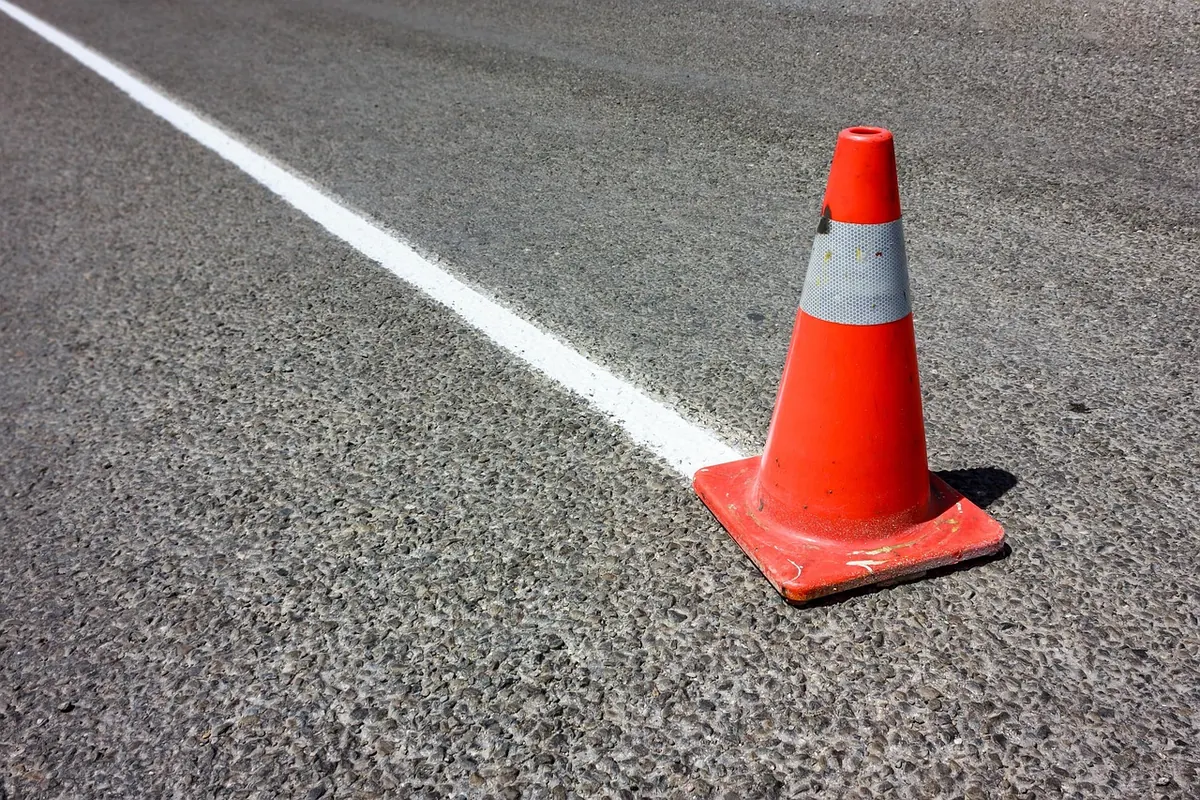
Most road work in Oakley does not close a street completely. Lane shifts, one-way flagging and temporary no-parking zones are far more common, and they last far longer. Full closures tend to be short — a day or two at a time — and they usually come with a signed detour route.
A few things worth knowing before you improvise:
- Follow the signed route, even if it looks longer. Detours are designed for trucks and for the intersections that can actually handle the extra volume. Your shortcut may be a residential street with kids on bikes.
- Build one alternate route per direction and learn it cold. Two or three turns you can make without thinking will save you more time than any app.
- Check before you leave, not at the barricade. A two-minute look at the city's road closure page or a traffic app beats a ten-minute turnaround.
- Watch for flaggers and give them your attention, not your frustration. They're standing in live traffic to keep you out of a trench.
- Leave a car-length of patience at work zones. Rear-end collisions are the most common crash in construction areas, and they slow everyone down further.
Practical note: school routes and bus stops can shift during construction even when the street stays open. If your child walks or rides to school, check the route in the first week of work rather than assuming it's unchanged.
Where the Money Comes From
Road budgets rarely come from one pot. Pavement work is typically funded through a combination of local street and road funds, state gas tax revenue, county transportation sales tax measures, and grants aimed at safety or bicycle and pedestrian improvements. Larger projects often rely on developer fees or mitigation payments tied to new construction, which is why work near growing parts of town sometimes moves on a different timeline than work in established neighborhoods.
We're not printing per-project dollar figures here, because bids come in above and below estimates and grant awards change the math. What matters more is the structure: utility replacement is almost always the expensive part, full reconstruction costs substantially more per mile than resurfacing, and drainage, soil conditions and conflicts with existing pipes are the three things that blow up a budget after the first shovel hits the ground.
If you want specifics, ask the city for the current Capital Improvement Program document and the project pages behind it. The CIP lists each project, its funding source and its phase. It is the single most useful public document for understanding why one street gets rebuilt and another only gets sealed.
When the Work Should Finish
Paving projects generally follow the same sequence, and knowing it helps you read what you're seeing on your street:
- Surveying, potholing and utility locating
- Utility relocation or replacement
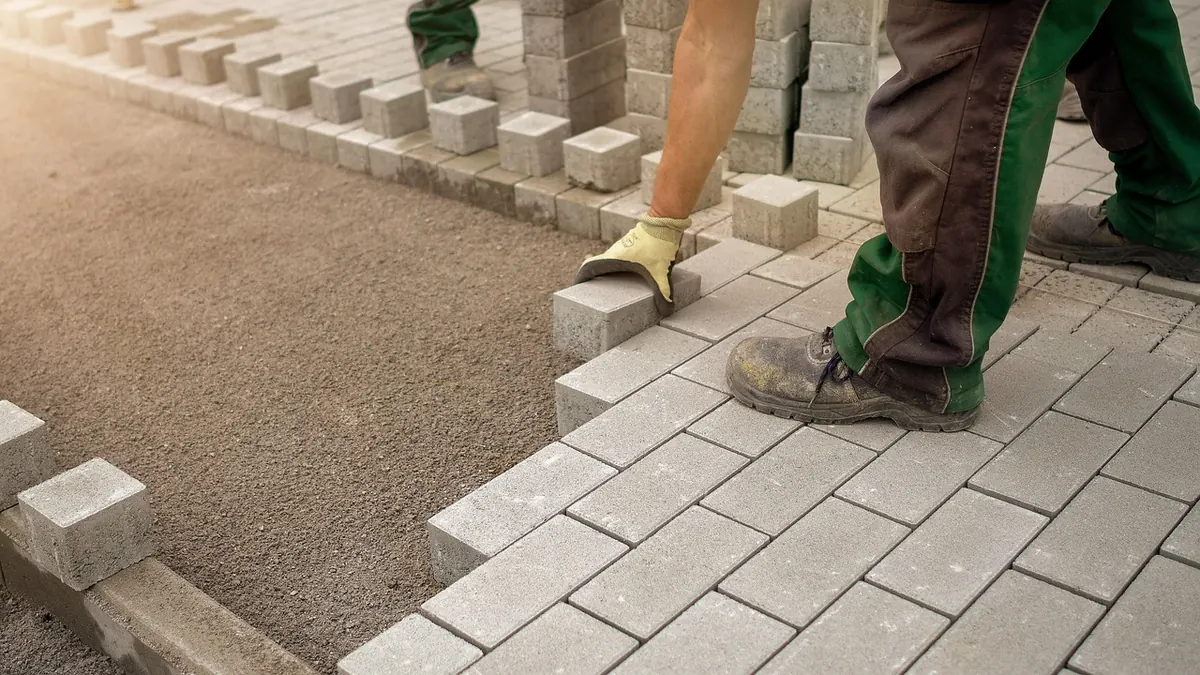
- Grinding and removal of the old surface
- Base repair, where the road structure has failed
- Paving or slurry sealing
- Striping, signage and cleanup
Steps three through five move fast once they start — often just a few days for a stretch of road. The waiting happens before and after. Utilities, permits and coordination with other agencies can stretch a project across an entire season, and punch-list items like striping or a settling utility cover can linger for weeks after the last roller leaves.
Rain is the biggest single delay. A wet spring can push an entire paving schedule into late summer, and once crews are behind, they're competing with every other city in the region for the same contractors.
How to Stay Ahead of It
- Check the city's website for the capital projects list and any road closure map before planning a route.
- Sign up for city notifications if that option is offered, and follow the city's social accounts for day-of updates.
- Call public works directly for a real answer. Neighbor apps and social posts are faster but frequently wrong.
- If you run a business on an affected street, contact the city early about access, delivery windows and signage. Asking during design is far more useful than asking during paving.
- Report damage that appears after crews leave — a cracked driveway apron, a broken curb, a missing ramp — while the contract is still open.
What to Do This Month
Save the public works phone number in your phone. Pick your two alternate routes and drive them once, deliberately, so they're familiar before you need them. If you live or work on a street that appears on the project list, read the notice that comes to your door rather than recycling it — those notices carry the actual dates, parking rules and contact information for the inspector on the job.
Construction is inconvenient, but it's also the only time a street gets fixed. Knowing the sequence means you'll spend less of the next few months staring at the back of a dump truck.
Photo: J32 / Pixabay
Related Articles