iGaming
Slot Volatility Explained: Why Big Wins Come With Bigger Droughts
Two players sit down at the same online slot. Same game, same stake, same spin count. One walks away up 400 credits; the other is down 300. Neither did anything wrong, and neither got cheated. What separated them was variance — the single most misunderstood force in casino gaming, and the one thing that determines whether your session feels like a slow bleed or a jackpot story you'll tell for years.
Understanding variance (usually called volatility) won't magically make you a winner. But it will stop you from blaming the game, the casino, or your own "bad luck" for something that was mathematically baked in before you even loaded the reels.
What Volatility Actually Measures
Every slot has a Return to Player percentage, or RTP. A 96% RTP game pays back 96 cents for every dollar wagered — over millions of spins. That number tells you almost nothing about a single session, and that's where volatility comes in. We found slot mahjong to be a handy reference here.
Volatility describes how those returns are distributed, not how much. A low-volatility slot might return that 96% in frequent, small doses: lots of 2x and 5x wins, very few big ones. A high-volatility slot returns roughly the same percentage, but it does so rarely, in large chunks, with long dead stretches between them.
Think of it like two salary structures. One job pays you £50 every day like clockwork. The other pays you £0 most days and £15,000 once a quarter. Same annual income on paper — completely different life experience.
The Three Bands, and What They Feel Like
- Low volatility (RTP built around frequent small hits): Games like many classic 3-reel slots or titles such as Starburst. Win frequency is often 25–35% of spins. Your balance drifts gently. You can play for an hour on a modest bankroll. Max win potential is usually capped low — often 500x or less.
- Medium volatility: The middle ground. Win frequency around 20–25%, decent hit sizes, max wins in the 1,000x–5,000x range. Games like Book of Dead sit here for many players' purposes, though opinions vary on where its bonus rounds push it.
- High volatility: Win frequency can drop below 15%, sometimes as low as 10%. Dead spins come in brutal clusters. Max win potential climbs to 10,000x, 50,000x, or in extreme cases (think Money Train 3 or San Quentin xWays) north of 100,000x. These games are designed to be survived, not enjoyed spin-by-spin.
One critical detail: volatility isn't officially standardised across providers. What one studio labels "high," another calls "medium." Treat the labels as rough guides, not gospel.
Why High Volatility Kills Most Bankrolls
Here's the maths that trips people up. Suppose you're playing a high-volatility slot with £100 and staking £1 per spin. That gives you 100 spins. If the game's dead-spin rate is high, you might burn through 60 spins without a single win above your stake. Suddenly you're 60% down with no bonus in sight. When the bonus does land, it might pay 40x — which at £1 a spin is £40, nowhere near enough to recover the bleed.
This is the variance trap: high-volatility games need a much deeper bankroll to reach their theoretical RTP than low-volatility games. The game isn't broken when you bust. You simply didn't have enough ammunition to survive the dry spell long enough to hit the payoff.
A rough rule of thumb players use: multiply your stake by the max win you're chasing and divide by 20. Want a shot at a 10,000x win on £1 spins? You may want a bankroll in the hundreds, minimum, to have a realistic chance of staying in the game.
Matching Volatility to Your Session, Not Your Ego
Most players pick slots by theme or graphics. A smarter approach is to pick by how you want the session to feel.
- Casual evening, small bankroll: Stick to low or medium volatility. You want spin time, entertainment, and a low chance of busting in 15 minutes.
- Chasing a bonus target: Check the wagering requirements first. High-volatility slots can help you clear a bonus faster — or wipe you out before you've made a dent. This is genuinely a gamble on top of a gamble.
- Chasing a headline win: Only play high volatility if your bankroll can absorb a total loss without changing your week. The math rewards patience; impatience rewards the house.
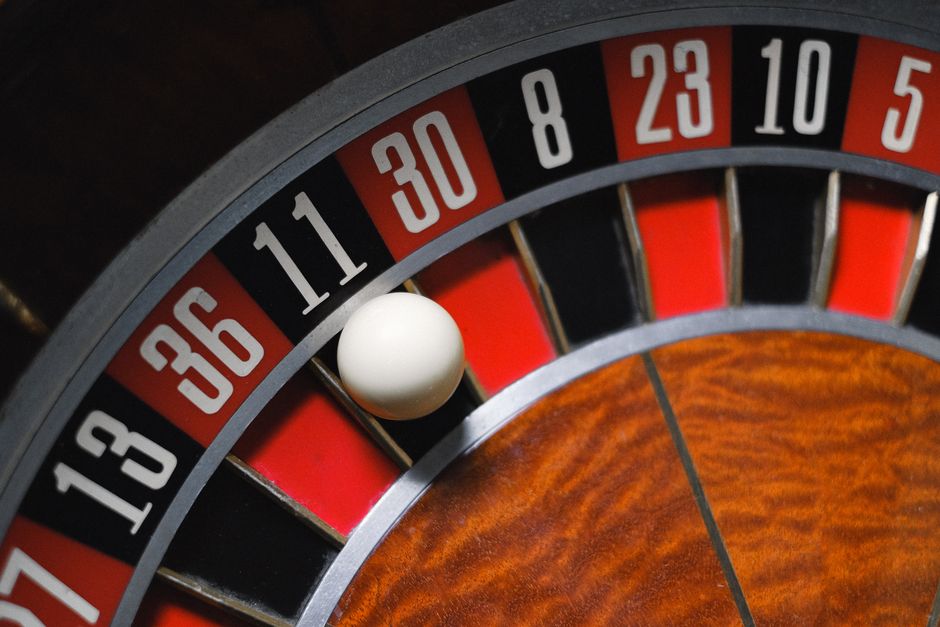
- Live dealer and table games: Volatility applies differently here. Blackjack is low volatility, roulette is medium (higher on straight-up numbers), and poker is a skill game where variance is measured over thousands of hands.
Poker deserves its own note. A winning player can lose for 30,000 hands and still be a winning player. A losing player can win a tournament and remain a losing player. Results over a single session tell you almost nothing about skill. The same logic underlies every casino game, just with the edge fixed firmly against you.
The RTP Myth That Refuses to Die
"This slot has 97% RTP, so I'll get 97% of my money back." You won't. That 97% is a long-run average across millions of players and billions of spins. Over your 200 spins it could pay 300% or 0%. The number is real, but it describes a horizon you'll never personally reach.
What does shift the odds, marginally? Game selection based on actual published RTP — some providers release two versions of the same game, one at 96% and one at 94%. Casinos often default to the lower one. Checking the help file before you spin is one of the few genuinely free edges a player has.
Playing With Variance Instead of Against It
Variance isn't the enemy. It's the reason a £1 spin can turn into £8,000, and it's the reason most sessions end quietly. The players who handle it best do three things: they pick games whose volatility matches their bankroll and mood, they set loss limits before the first spin rather than after the fifth deposit, and they stop measuring a game by one session's result.
You can't beat the house edge. Nobody does, long term. But you can absolutely stop losing more than you intended — and that's a skill, not luck. Next time a high-volatility slot eats 80 spins without a bonus, don't call it rigged. Call it priced in, and decide whether the price was one you were happy to pay.
Related Articles