iGaming

The Real Math Behind Slot RTPs (And Why It Matters)
Most players pick a slot the same way they pick a restaurant on vacation: by how good the sign looks. Bright colors, big jackpot number, a licensed tie-in with some movie franchise. That's fine if you're purely there for entertainment, but the moment you start caring about how long your bankroll actually survives, the sign stops mattering. What matters is a number buried three taps deep in the paytable, and most people never look for it.
This isn't a lecture about gambling being risky. You already know that. This is about the boring mechanical stuff that separates a player who understands what they're doing from someone who's just feeding a machine and hoping.
RTP Is Not the Same as Your Odds of Winning
Return to Player, or RTP, is the percentage of all wagered money that a slot pays back over millions of spins. A 96% RTP game returns roughly $96 for every $100 wagered — over time, across a massive number of spins, and never to any single player in any single session. This distinction gets lost constantly. For practical tips, check out สล็อตเว็บตรง.
Here's the part that trips people up: a 96% RTP doesn't mean you win 96% of rounds. It means that in a game with heavy variance, the wins are concentrated. You might lose 40 spins in a row, then hit a 60x multiplier that drags your personal return north of 100%. The slot doesn't care. It's not tracking your personal balance. It's grinding toward a mathematical average that's locked in by the reels, the paytable, and the hit frequency.
Practical takeaway: RTP tells you what a game costs to play long-term. Variance tells you what the ride feels like. A 96.5% RTP game with low variance is a slow bleed with frequent small wins. A 96.5% RTP game with high variance is long stretches of nothing punctuated by occasional big hits. Same house edge, very different experience.
What Actually Moves the Numbers
A few concrete things genuinely shift the value you're getting, and ignoring them is how recreational players end up grinding far below what the math allows.
- Bet level and max bet rules. Many Megaways and "ways to win" slots require a full-line bet to unlock maximum return. Scaling down your bet on those games sometimes cuts your RTP by a full percentage point or more. Read the paytable before you assume minimum bet is fine.
- Bonus buy pricing. Feature buys typically price the bonus at a slight premium to its true expected value. That's the operator's cut. If a bonus buy is listed at 100x your bet and its theoretical RTP is 96%, the math ate the difference before you bought it.
- Jackpot contribution. Progressive slots often shave a few percent off the base RTP to fund the growing prize. That's not a scam, but it means the base game can feel noticeably worse than a competing non-progressive at the same stake. The jackpot has to be worth the drag.
- Jurisdiction and version. The same slot can ship with different RTPs to different markets. A game that's 96.2% in one region's regulated version might be 94% in another. Reputable operators publish this. If they don't, that's a signal.
None of this requires you to be a math nerd. It just requires you to spend two minutes in the paytable before you commit a session's bankroll.
A Quick Reality Check on Table Games and Poker
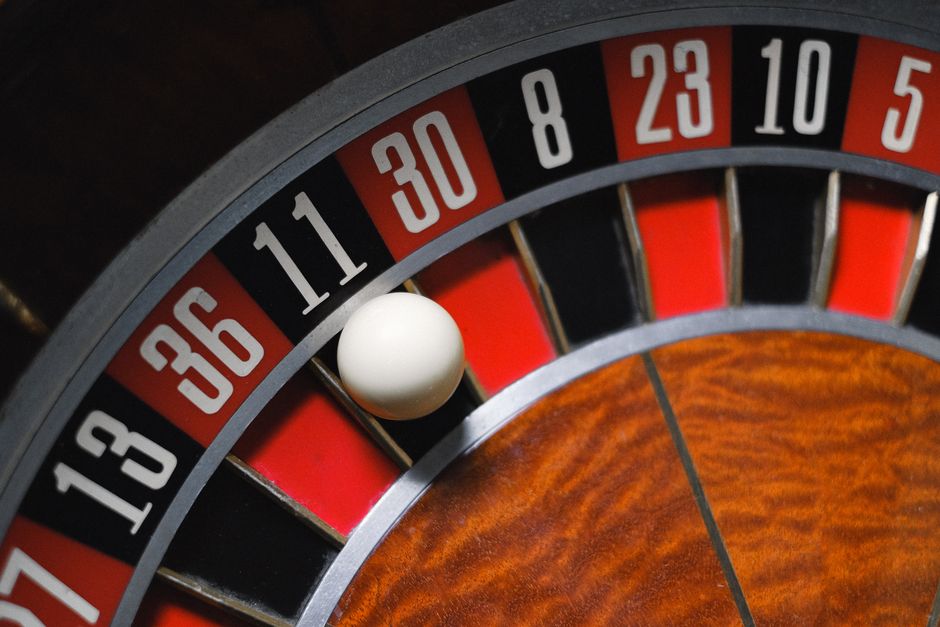
Slots get the attention, but the biggest RTP gaps live in table games. Blackjack played with basic strategy sits around 99.5% RTP depending on the specific ruleset. Baccarat banker bets hover near 98.9%. American roulette drops to roughly 94.7% because of the double zero. Slot RTPs typically sit between 94% and 97%, with the better online variants clustering near the top of that range.
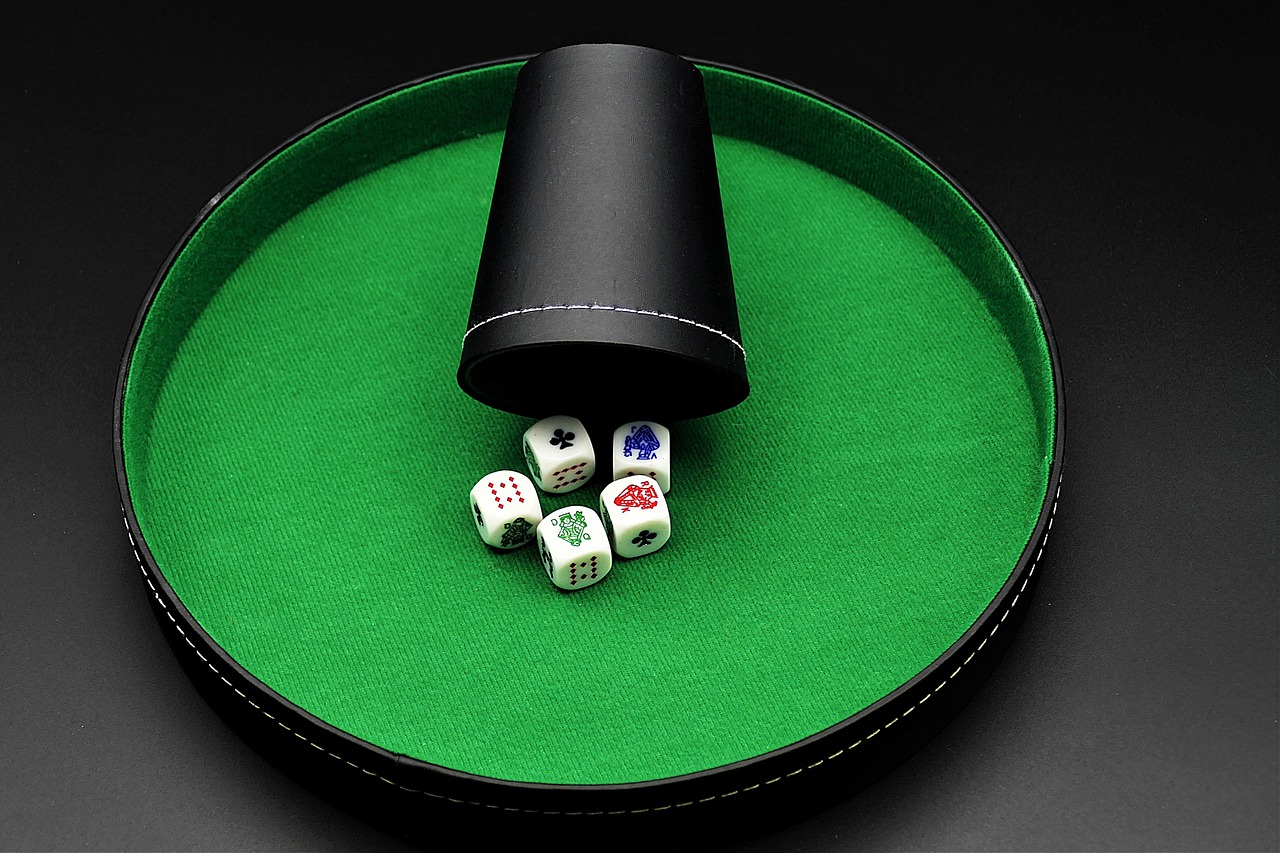
Poker is the outlier because you're not playing against the house edge at all — you're playing against other people, minus a rake. That means a skilled player can have a positive expected value over a long sample, something that's essentially impossible on a slot machine. This is why the sensible default for anyone serious about building a bankroll is to split their time between poker (where skill matters) and slots (where it doesn't, and shouldn't be treated as if it does).
Bankroll Rules That Actually Hold Up
- Size your session bankroll in units, not dollars. A unit is your standard bet. For slots, 100-200 units is a reasonable session buffer if you intend to survive a cold streak.
- Set a hard stop-loss before you spin the first reel. Not a mental one. A number.
- Treat bonus buy features as entertainment spend, not as +EV plays. The math on them is usually worse than grinding base-game spins.
- Keep slots and poker money in separate buckets. They're different games with different edges. Mixing them turns a bad slot session into a forced poker session, which is how people make terrible decisions.
Reading the Signals in the Fine Print
When a site publishes RTP prominently on the game tile page, that's a good sign they're not hiding anything. When RTP is buried in a downloadable PDF that only exists in three languages you don't read, that's a red flag. Regulated markets like the UK, Malta, and several EU jurisdictions now require operators to display the theoretical RTP and its testing body. Those stamps come from labs like eCOGRA, GLI, or BMM, and they mean the numbers have been independently validated rather than pulled from the marketing department.
You don't need to become a compliance officer. But knowing the difference between a game that advertises "up to 97% RTP" in a banner (it doesn't) and one that lists "RTP 96.4%, certified by GLI" in the game info panel (it does) is a real skill. It separates players who get value from players who get vibes.
The Point of All This
Nobody wins at slots long-term. The math doesn't allow it. But the math absolutely allows you to lose more slowly, get more entertainment per dollar, and avoid the specific pitfalls — low-RTP regional versions, overpriced bonus buys, jackpot-funded base games — that quietly drain a session faster than they need to. You don't have to study spreadsheets. You just have to spend two minutes looking at a paytable before you hit spin, and stop picking games based on which thumbnail has the biggest number tacked to the side of it. That single habit changes the entire economics of how you play.
Related Articles